Redesigning the product behind the most hyped startup on X: Methods.
We partnered with Methods, a fast-growing UGC marketplace made by instinct©, to redesign their entire product experience across two intensive sprints and a full monthly retainer. From a scrappy, developer-built interface to a polished, scalable platform trusted by thousands of creators and brands.
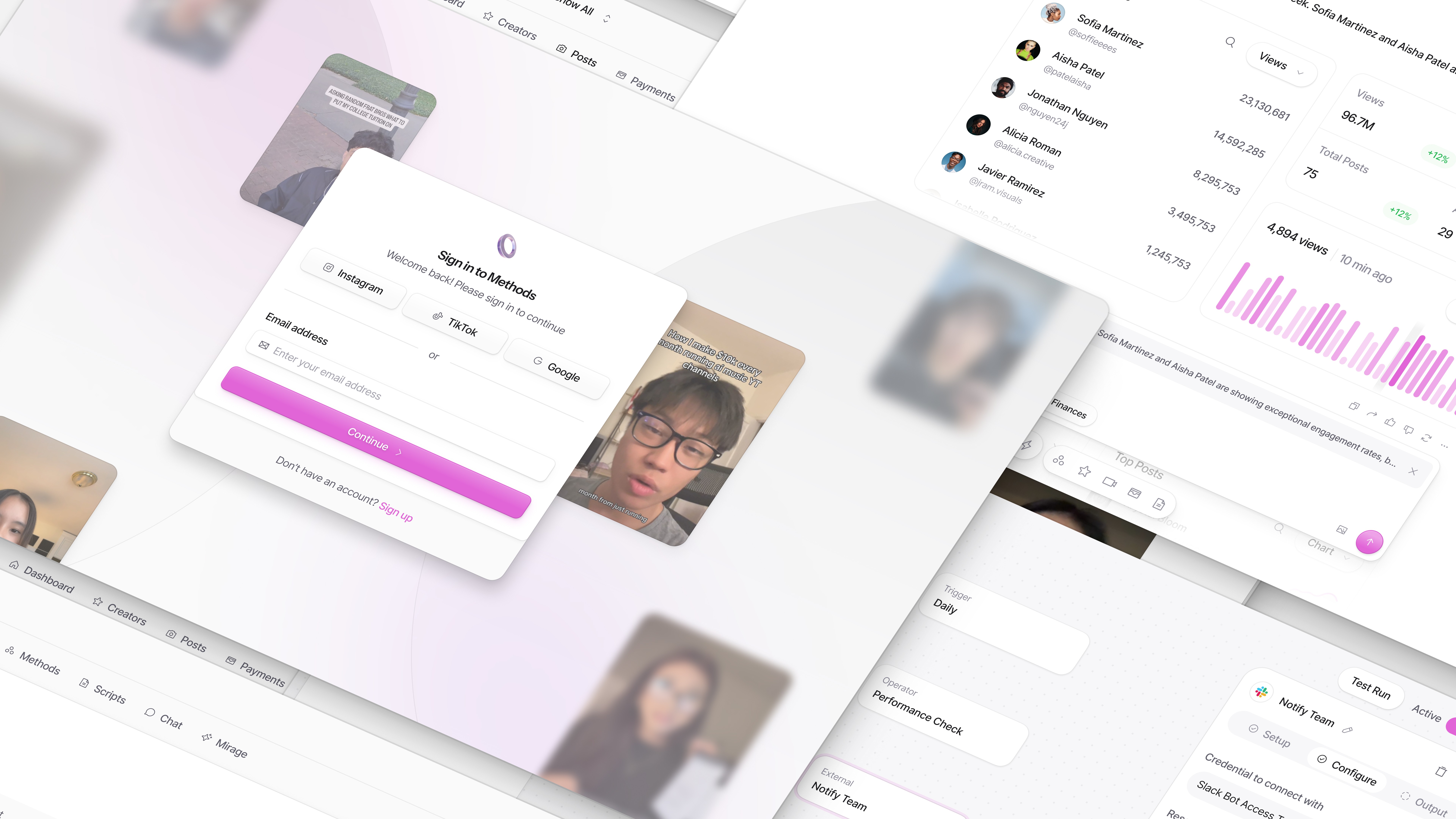
60+ screens delivered
Across two design sprints and one monthly retainer, including full design systems for both phases.
$1.2M+ ARR
Methods grew rapidly to over $1.2M in revenue, becoming one of the most hyped startups on X.
10,000+ creators
The platform scaled to over ten thousand active creators earning money through brand campaigns.
3-phase engagement
What started as a one-week sprint evolved into a multi-phase partnership across sprints and a retainer.
Methods is a UGC marketplace that connects brands with content creators. Brands launch campaigns, creators apply, produce short-form videos, and get paid based on performance. Methods is built by instinct©, a San Francisco-based creative company whose founders previously led the viral marketing campaigns behind Cluely, the a16z-backed AI startup that generated over a billion social media views and raised $20M+ in funding. After leaving Cluely, they launched Instinct and built Methods as their flagship product, quickly scaling it to over $1.2M ARR and becoming one of the most talked-about startups on X.
A quick conversation with the founders turned into a call, and within the next day, we were already working. The engagement grew organically: a focused first sprint, an intensive second sprint, and then a full monthly retainer as the product evolved. Every step of the way, we worked directly with the founder across design, product thinking, and developer coordination.
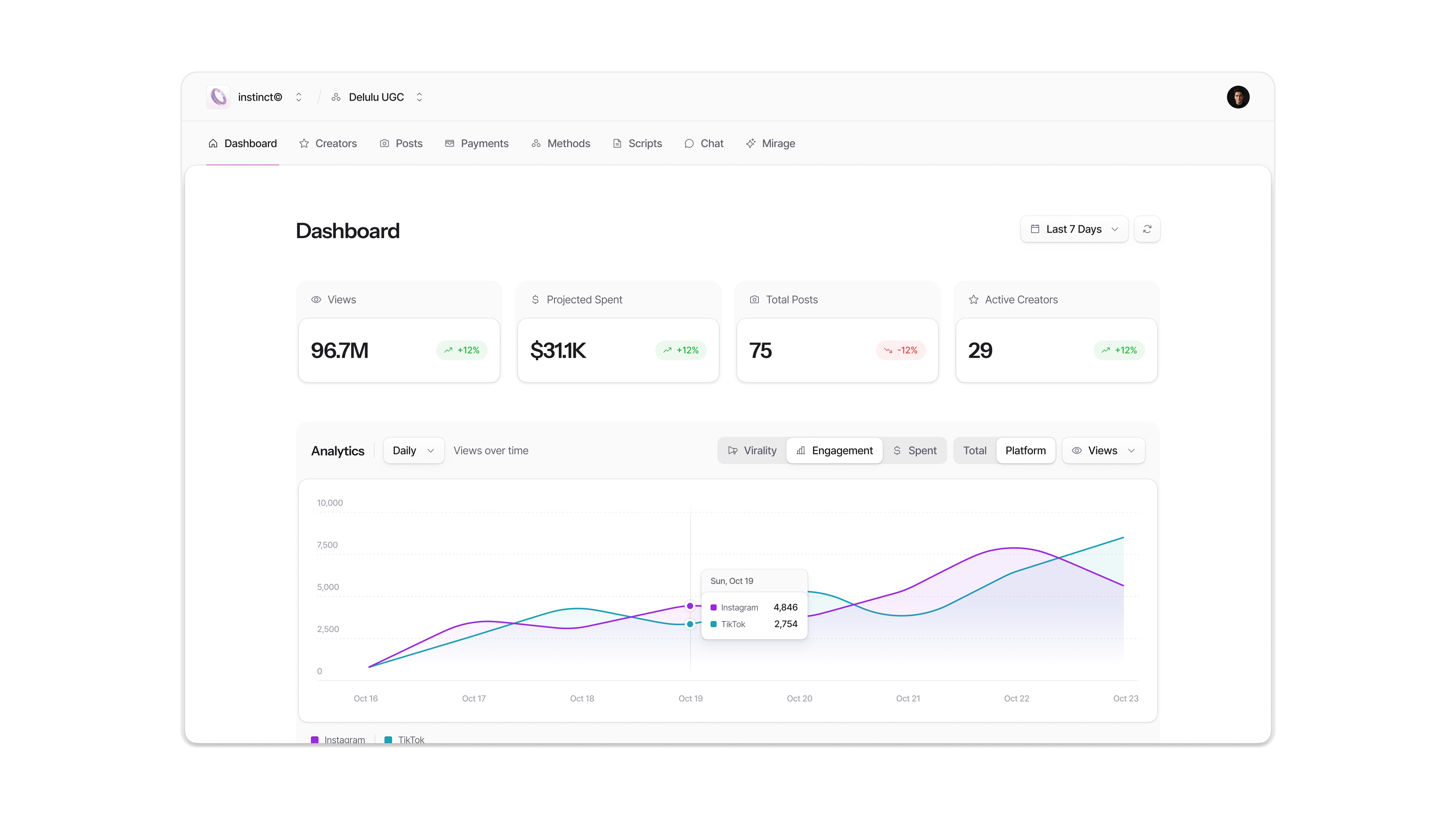
The challenge
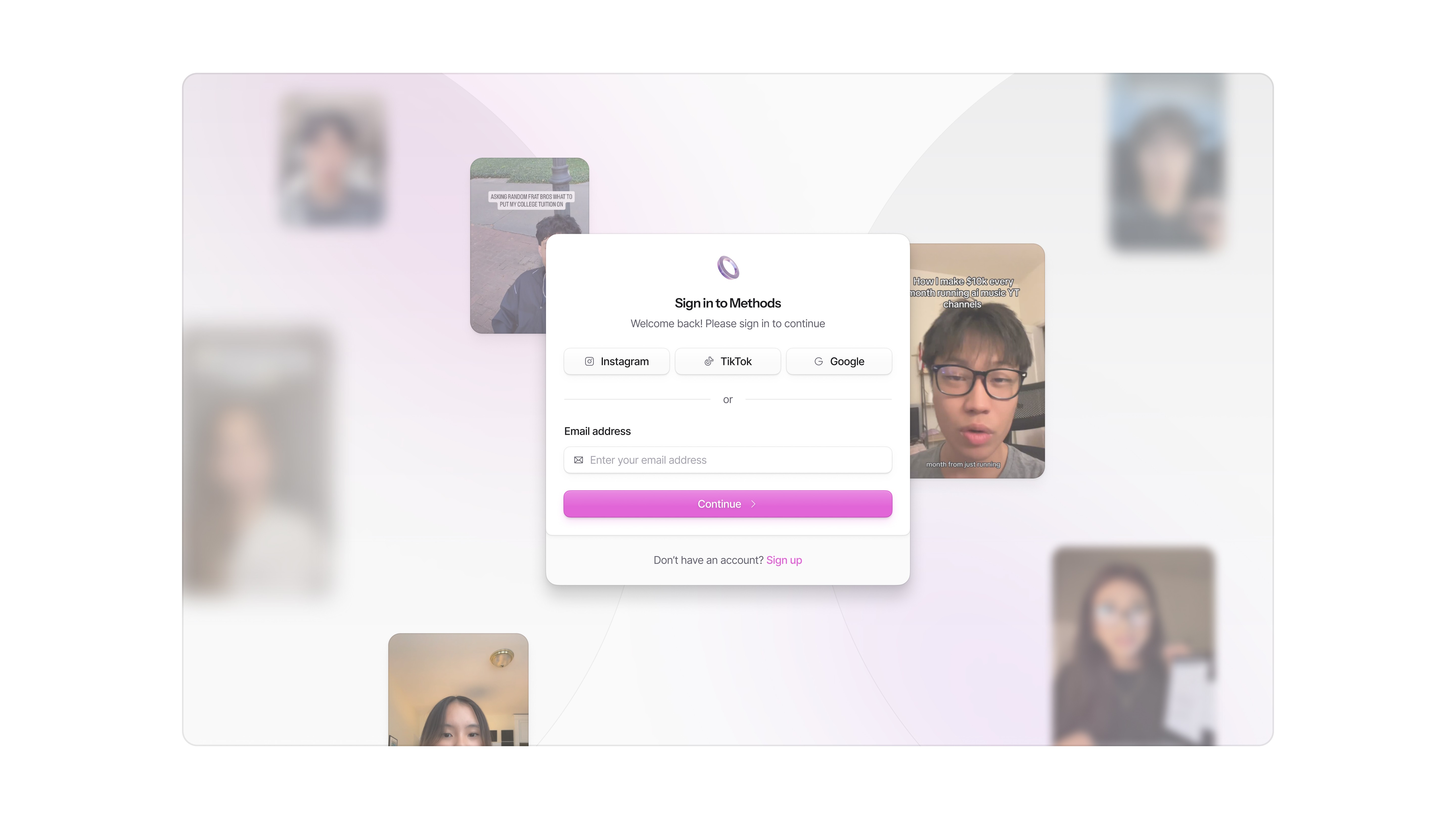
Methods had a functional product, but it looked like it. The interface was developer-built with no cohesive design system behind it. Elements felt disconnected, visual hierarchy was inconsistent, and the overall experience lacked the polish expected from a platform handling thousands of creators and real money. For a product scaling as fast as Methods was, the design was falling behind the ambition.
Beyond the visual layer, there were UX issues worth addressing. Some workflows required unnecessary steps for simple inputs. Information architecture was cluttered, making it harder for users to understand what belonged where or how to perform actions efficiently. The product worked, but it created friction that a platform at this scale could not afford to keep.
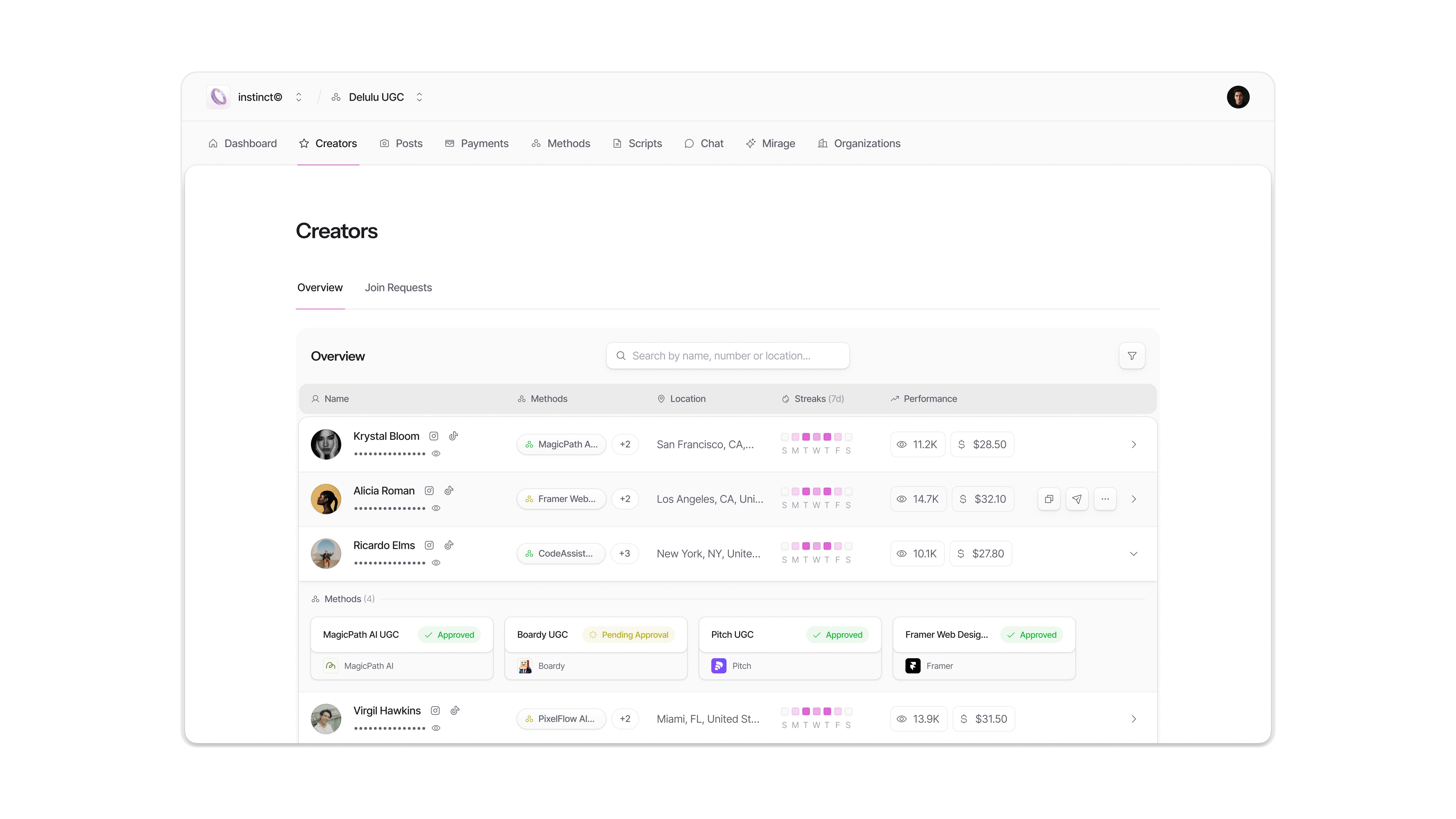
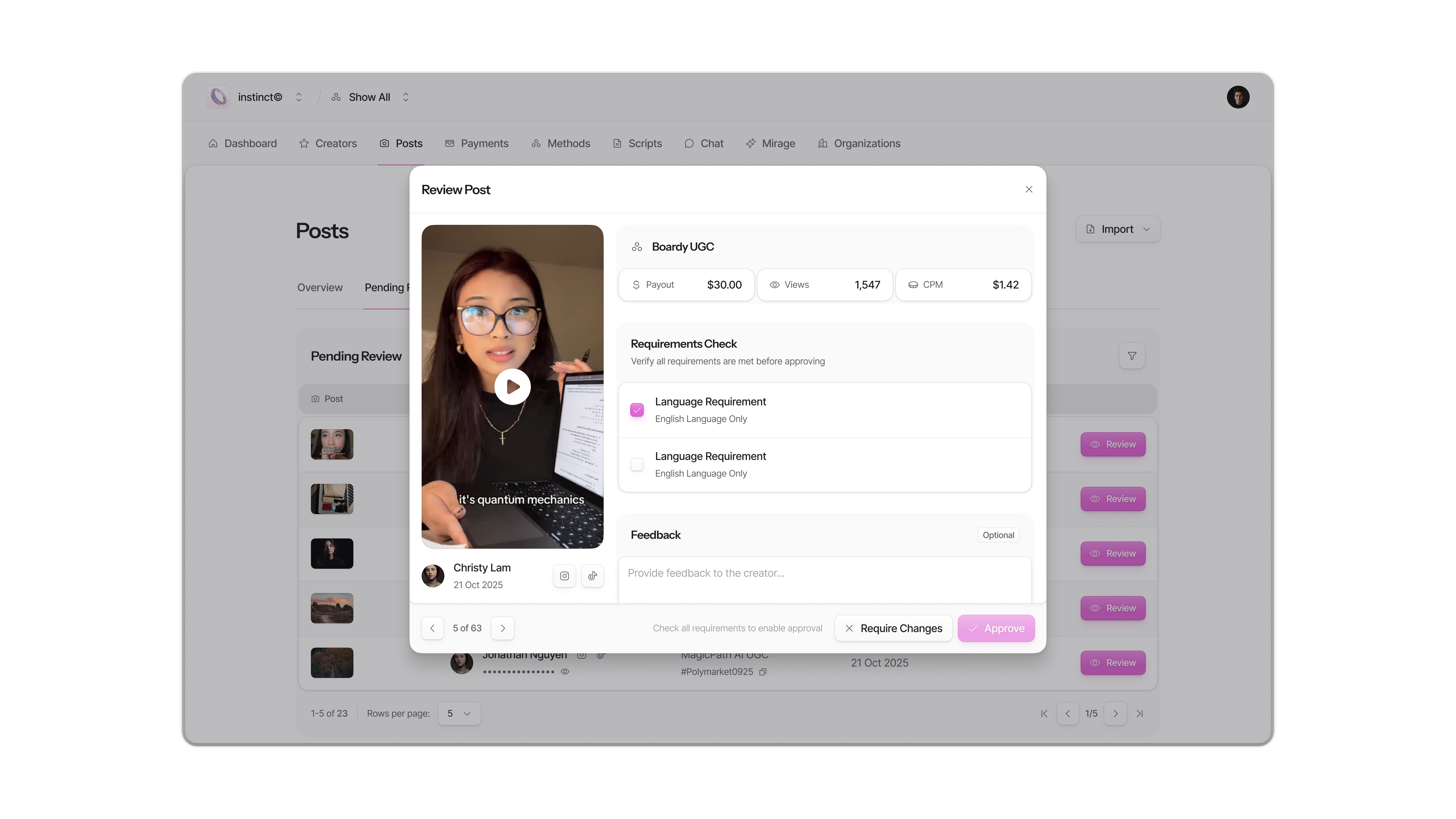
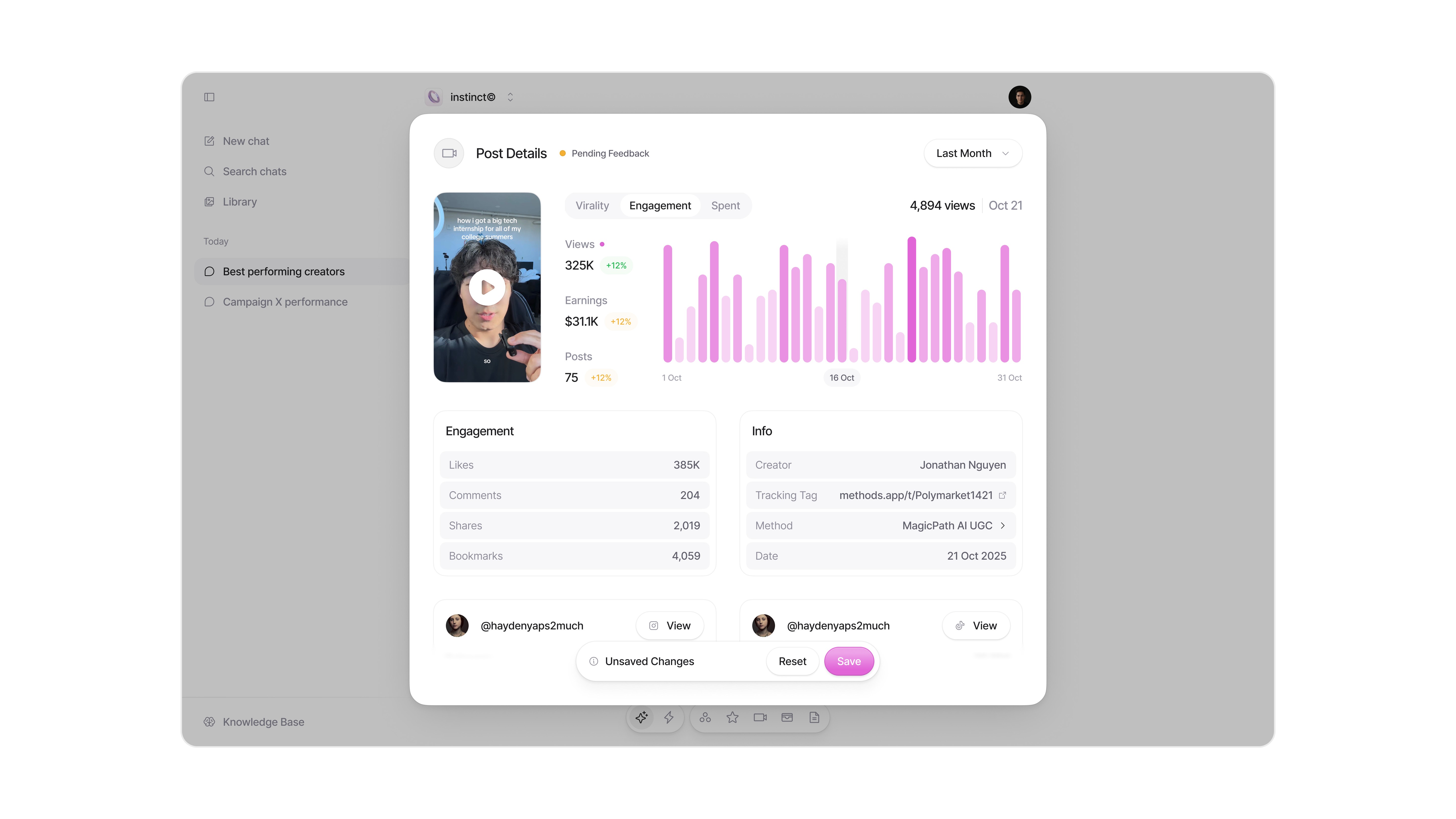
The process
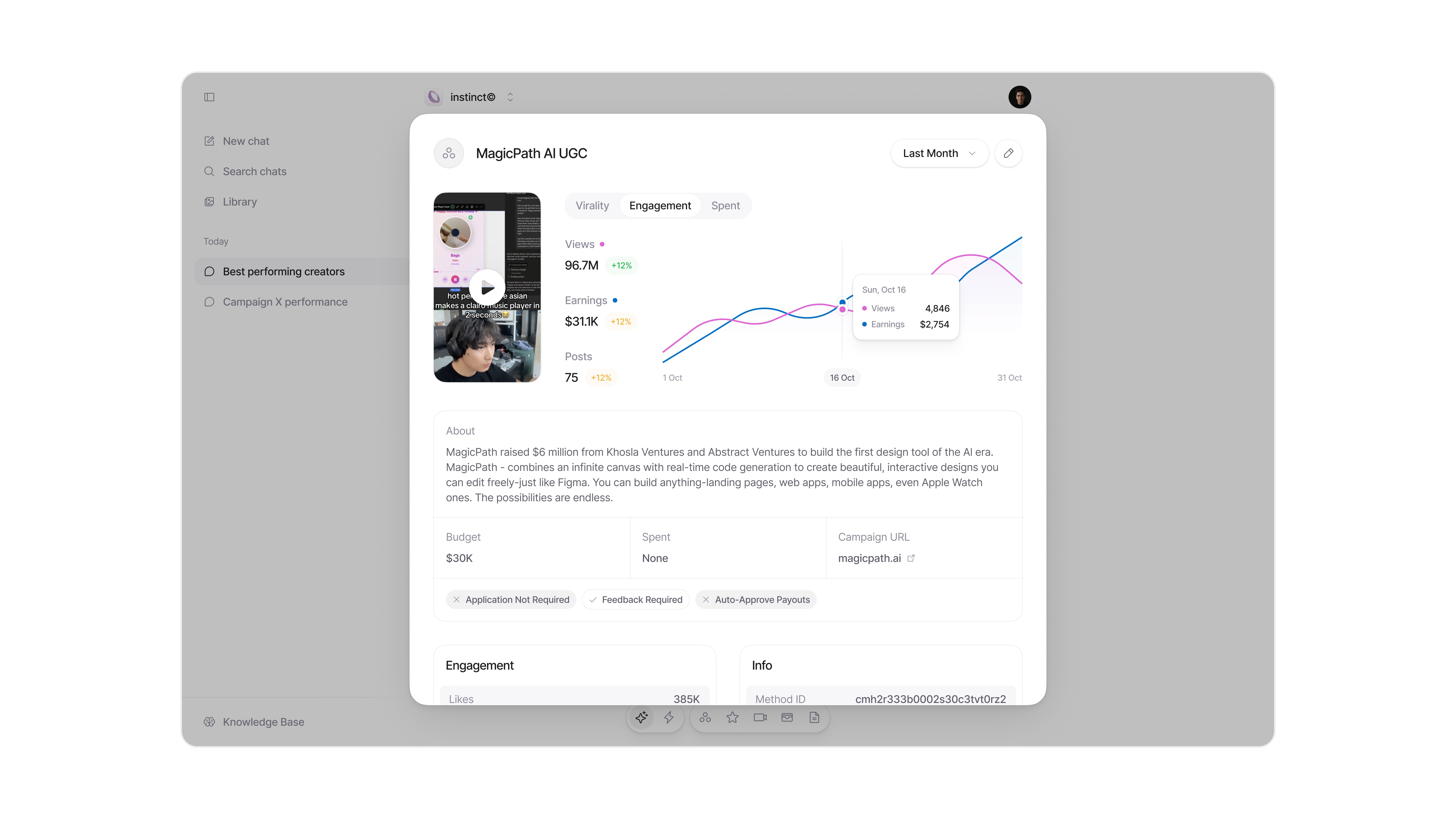
We started with a focused one-week sprint to establish the visual foundation: core screens, layout patterns, and a direction that felt right for the product. The founders loved the output and wanted to move faster. In a second intensive sprint, we delivered around 30 screens with light and dark theme variants, a full component system covering every state, text style, and interactive element. It was a complete design system built at speed.
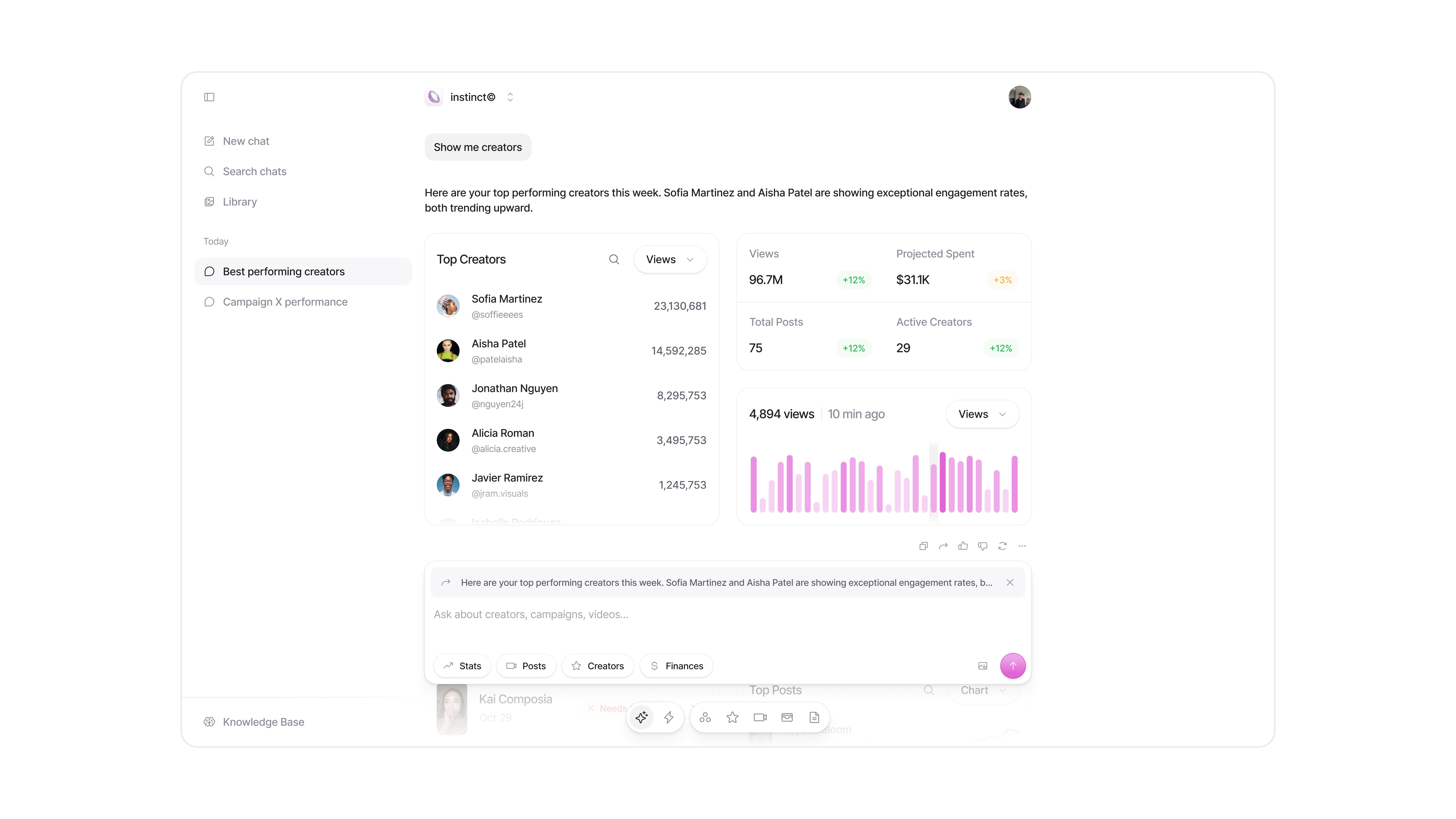
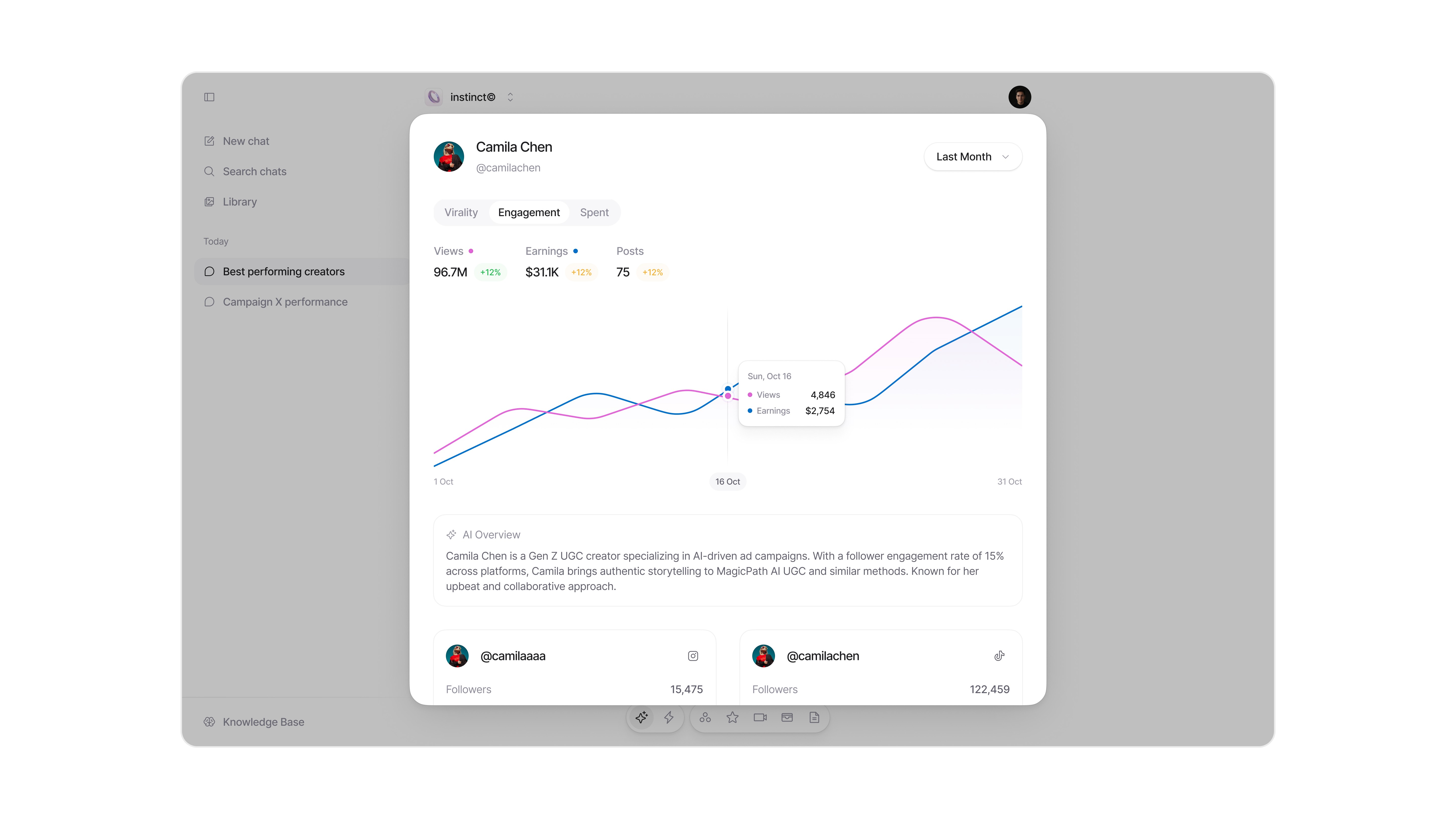
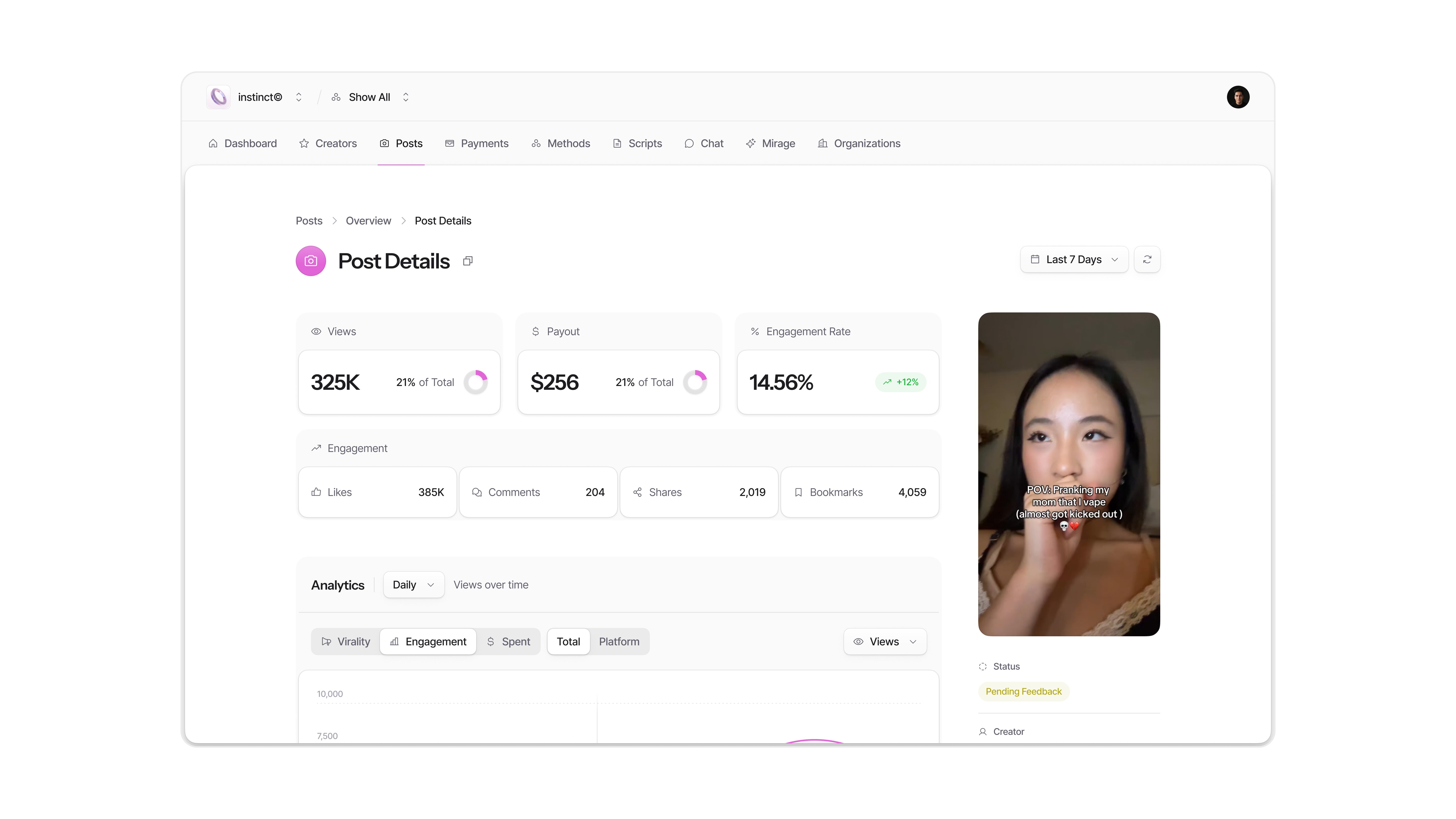
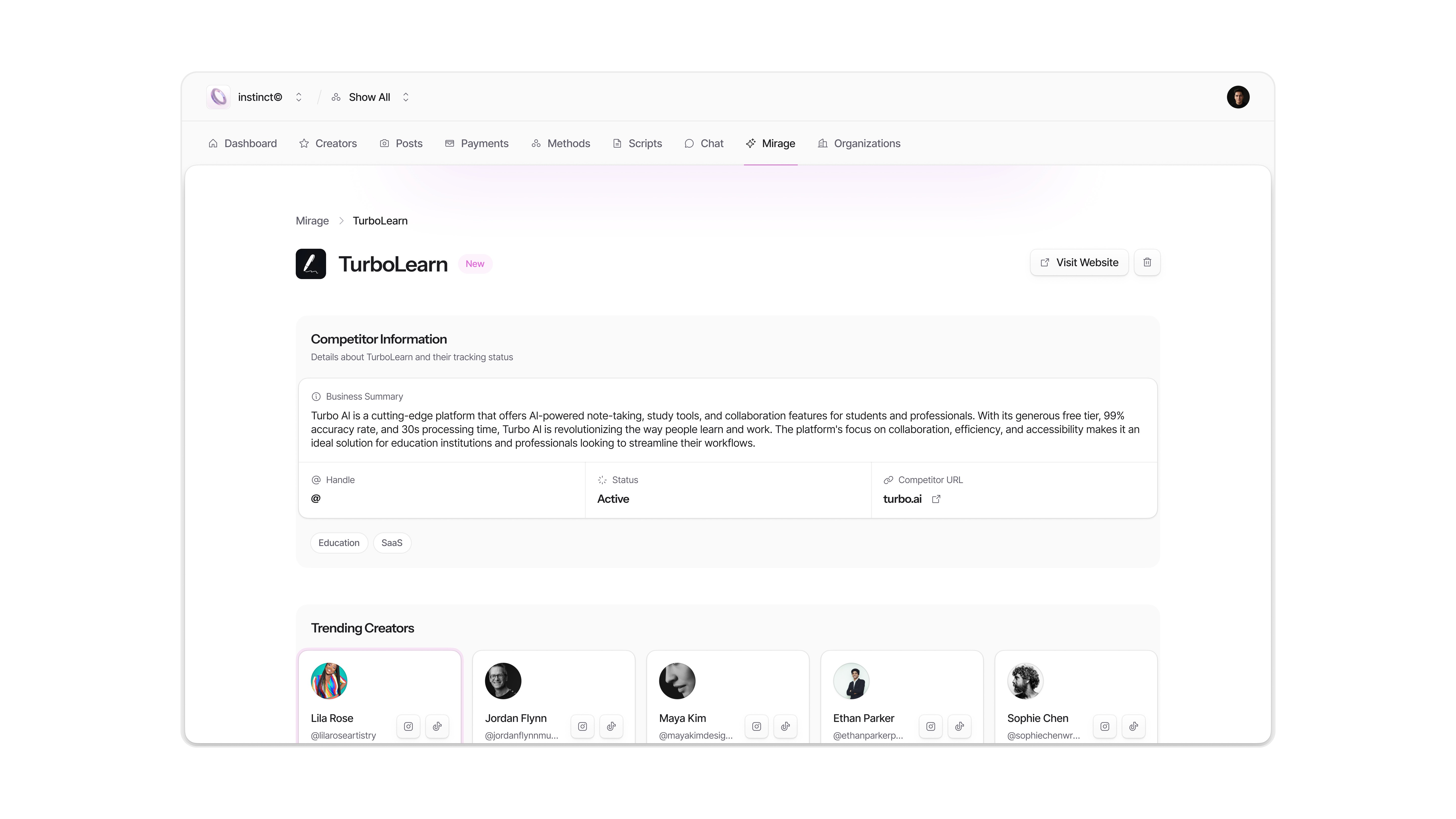
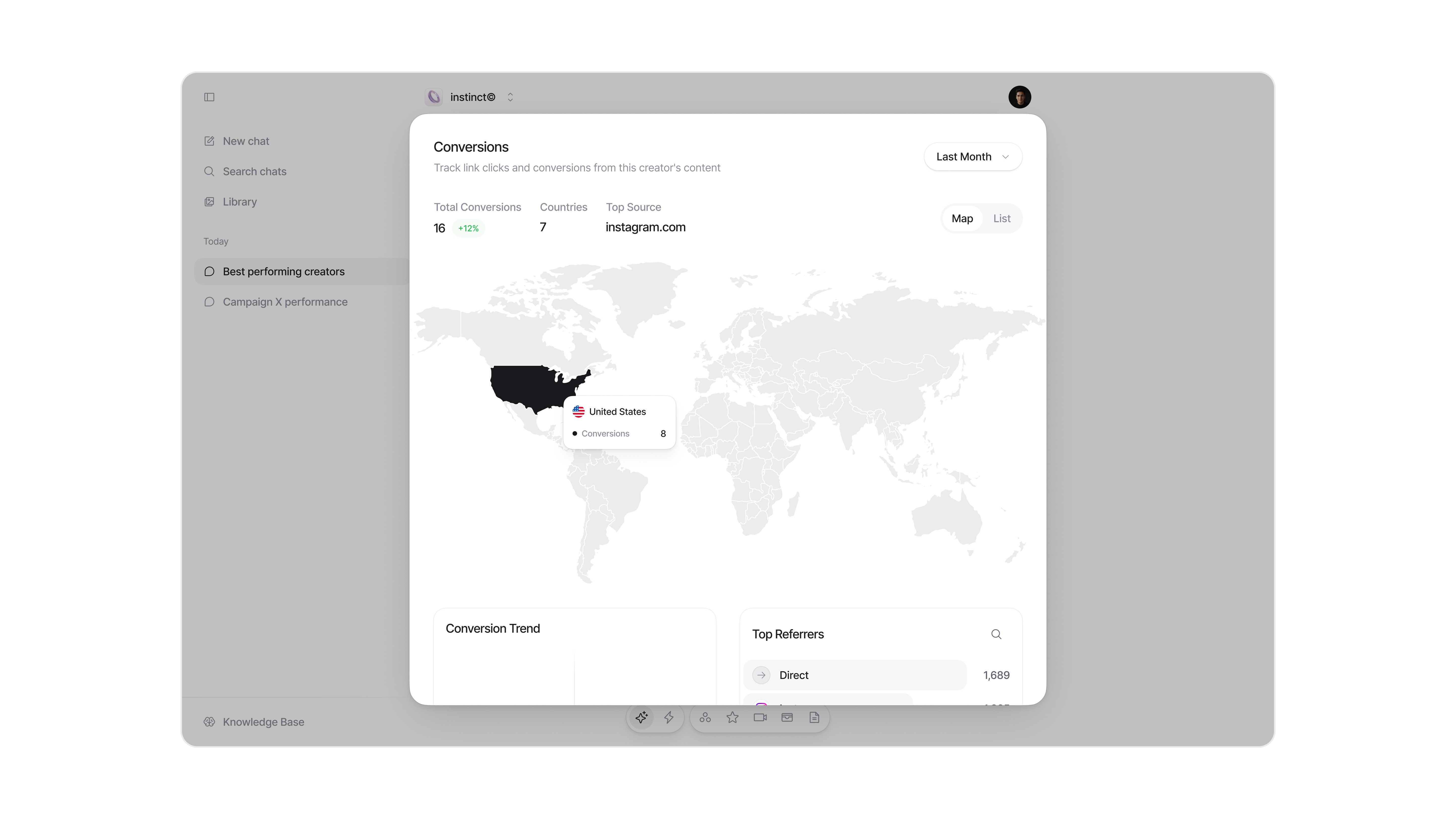
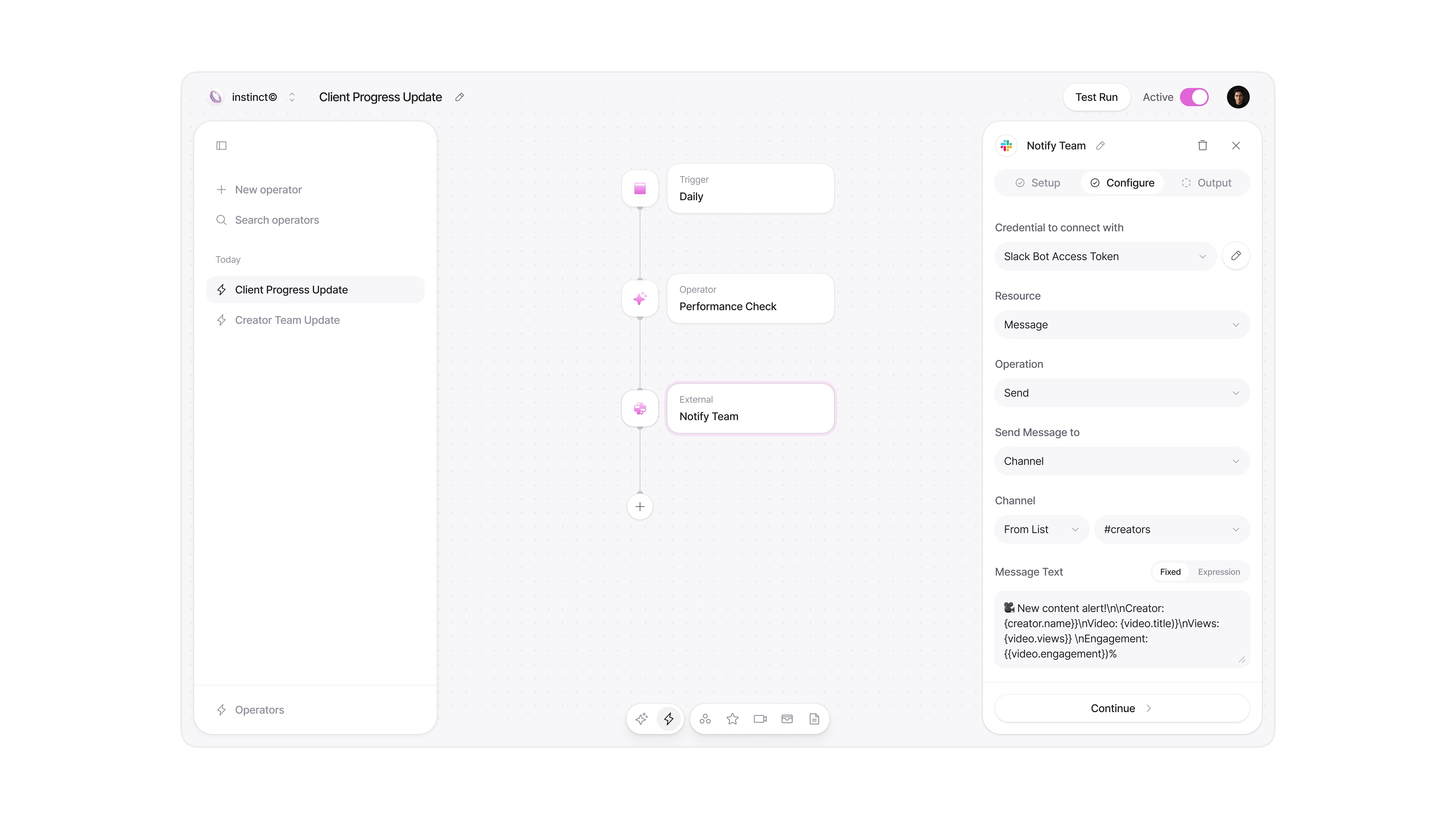
After these two sprints, the founders came back with a bigger ask. They had rethought the entire product experience, moving from a traditional dashboard to an AI-centric interface built around a chat experience and workflow automations they called "operators." They arrived with a rough, napkin-level concept of how it should work. We took that vision, structured it, and designed it from scratch: new components, new layouts, new interaction patterns, and around 30 additional screens with a rebuilt design system underneath. Throughout the retainer, we also coordinated directly with their development team, jumping on calls and answering questions to make the handoff as seamless as possible.
The outcome
The result was a product that finally matched the energy and ambition behind Methods. Two different product directions, each with a full design system, component library, and production-ready Figma files. A platform that went from looking scrappy and thrown together to feeling intentional, clean, and built for scale.
Methods continued to grow throughout and after our engagement, scaling to over 10,000 creators and paying out more than $1 million through the platform. The product became one of the most visible and discussed creator tools on X/Twitter, consistently generating attention from both the startup and creator communities. While many factors contributed to that growth, the design work gave Methods the visual credibility and product clarity that a platform at that scale demands.
The engagement also reflected the kind of partnership we value most. What started as a short sprint turned into a multi-phase collaboration because the work spoke for itself. Fast delivery, deep product thinking, and a design partner who could keep up with a team that moved at their speed.